In short
Some of Europe's most beautiful cities aren't capitals: Venice, Florence and Naples in Italy, Seville and Granada in Spain, Porto in Portugal, Bruges in Belgium, Strasbourg in France, Salzburg in Austria, Kraków in Poland, Český Krumlov in Czechia and Dubrovnik in Croatia. Most can be explored over a weekend, ideally in spring or autumn.
Contents
When people think of Europe’s most beautiful cities, they usually picture its capitals: Paris, Rome, Prague… We’ve covered those in our guide to the most beautiful European capitals. But some of the continent’s most spectacular cities aren’t capitals at all: smaller, often easier to explore on foot, they make perfect weekend trips.
Here are 12 European cities worth visiting at least once, with what not to miss in each.
🇮🇹 Venice, Italy
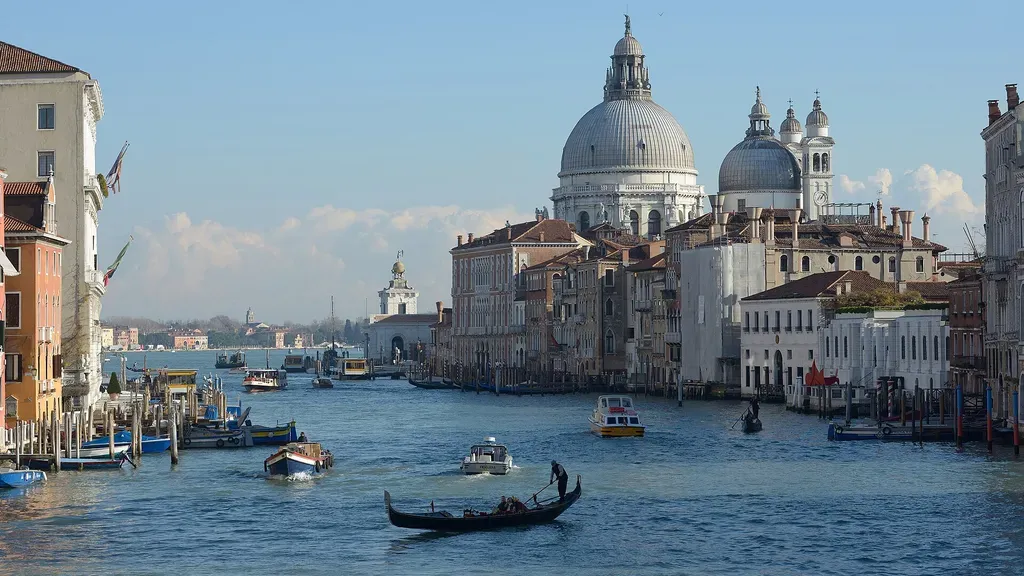 Photo: Wolfgang Moroder, CC BY-SA 3.0, via Wikimedia Commons
A car-free city built on a lagoon, where you get around on foot or by vaporetto. People come for St Mark’s Square and its basilica, the Rialto Bridge and the Grand Canal, but Venice really shows itself once you leave the busiest routes: Cannaregio, Dorsoduro, or the colourful island of Burano.
Good to know: on certain days in spring and summer, Venice charges an access fee to day visitors (overnight guests are exempt). Check the calendar on the city’s official website before you go.
🇮🇹 Florence, Italy
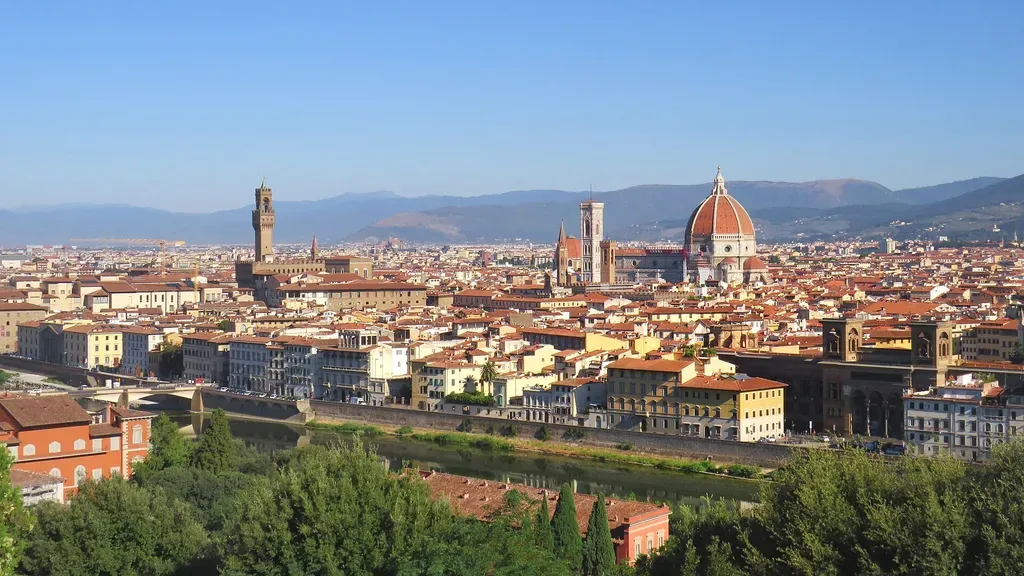 Photo: PROPOLI87, CC BY-SA 4.0, via Wikimedia Commons
The cradle of the Renaissance packs an extraordinary heritage into a compact historic centre: Santa Maria del Fiore cathedral and Brunelleschi’s dome, the Ponte Vecchio, the Uffizi Gallery, and Michelangelo’s David at the Galleria dell’Accademia. For the view, head up to Piazzale Michelangelo at sunset.
Good to know: book the best-known museums (Uffizi, Accademia) in advance; the queues are long all year round.
🇮🇹 Naples, Italy
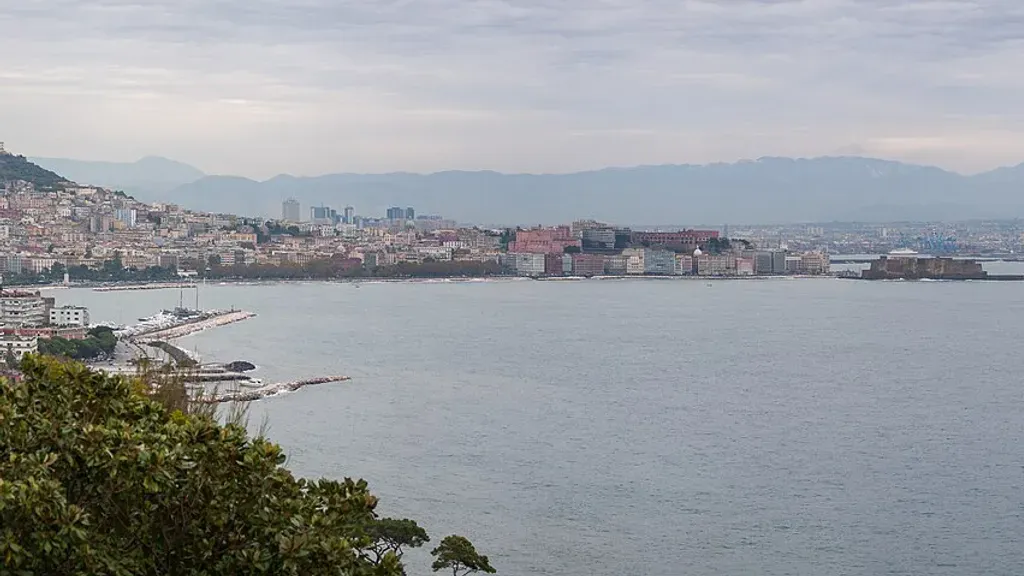 Photo: Sergey Ashmarin, CC BY-SA 3.0, via Wikimedia Commons
Loud, lively and endearing, Naples is like no other city. Its UNESCO-listed historic centre is a maze of alleys, baroque churches and pizzerias. It’s also the perfect base for Pompeii, the Amalfi Coast or the island of Capri.
🇪🇸 Seville, Spain
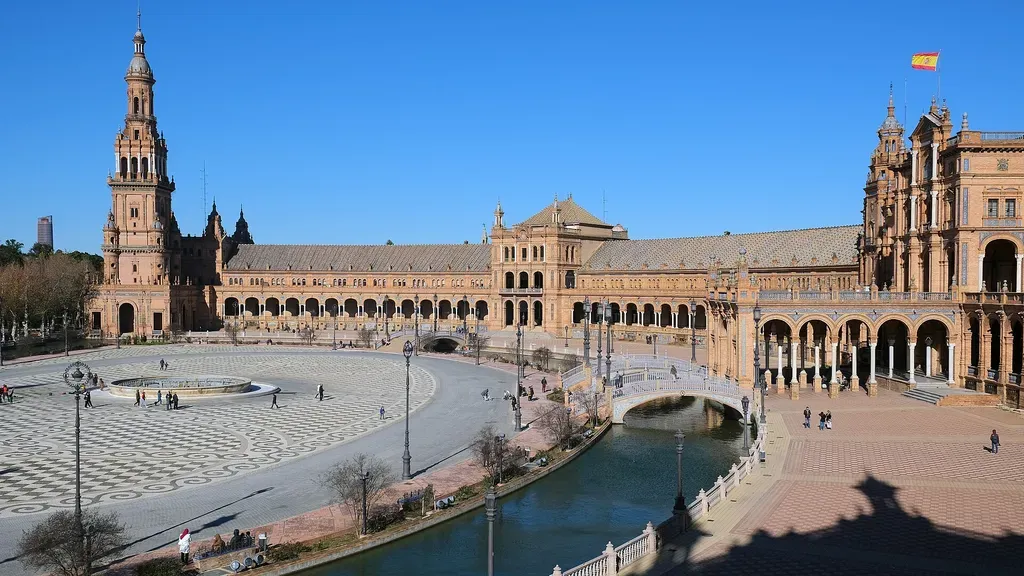 Photo: kallerna, CC BY-SA 4.0, via Wikimedia Commons
Seville is Andalusia at its most iconic: the Alcázar and its gardens, the cathedral and its Giralda tower, the monumental Plaza de España, and the whitewashed lanes of the Santa Cruz quarter. In the evening, cross the Guadalquivir to Triana, the birthplace of flamenco.
When to go: spring or autumn. In summer, temperatures often top 40 °C.
🇪🇸 Granada, Spain
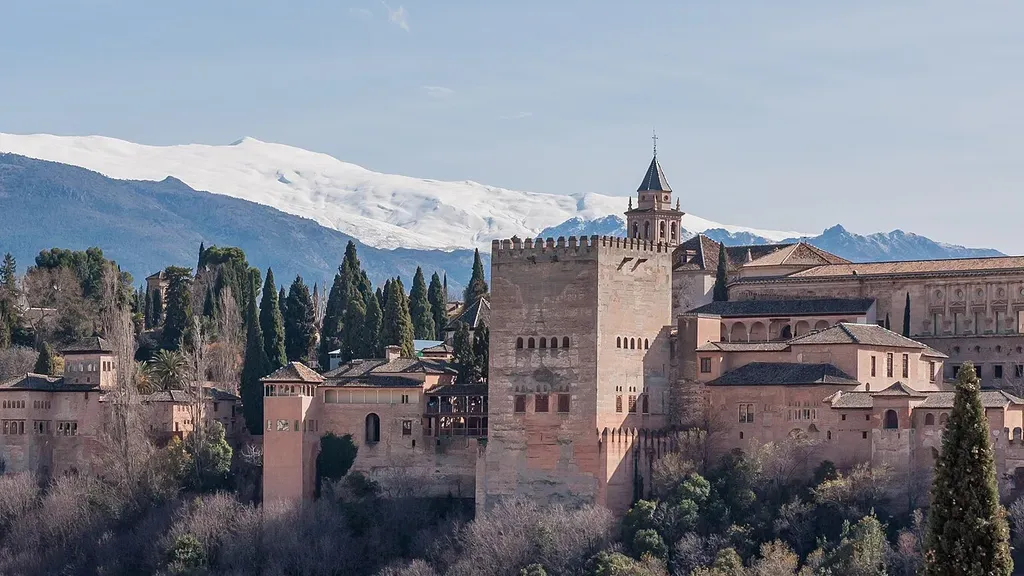 Photo: CEphoto, Uwe Aranas, CC BY-SA 3.0, via Wikimedia Commons
Granada is famous for the Alhambra, one of the world’s finest examples of Islamic architecture, with its Nasrid palaces and the Generalife gardens. But the city is also worth it for the Albaicín, the old Moorish quarter, and the San Nicolás viewpoint, where the view of the Alhambra against the Sierra Nevada is unforgettable.
Good to know: Alhambra tickets often sell out weeks ahead. Only buy them on the official website.
🇵🇹 Porto, Portugal
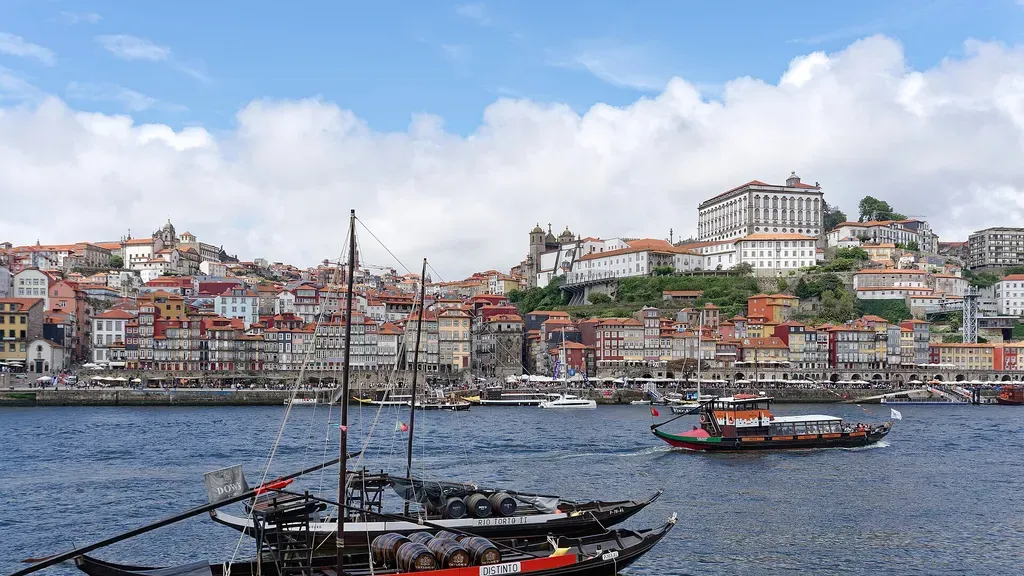 Photo: Jakub Hałun, CC BY 4.0, via Wikimedia Commons
Tile-covered façades, steep lanes, the colourful Ribeira waterfront (UNESCO-listed) and the Dom Luís I bridge: Porto is one of Europe’s most photogenic cities. Across the Douro, Vila Nova de Gaia is home to the port wine cellars, which you can tour with a tasting.
Also read: Lisbon in 3 days.
🇧🇪 Bruges, Belgium
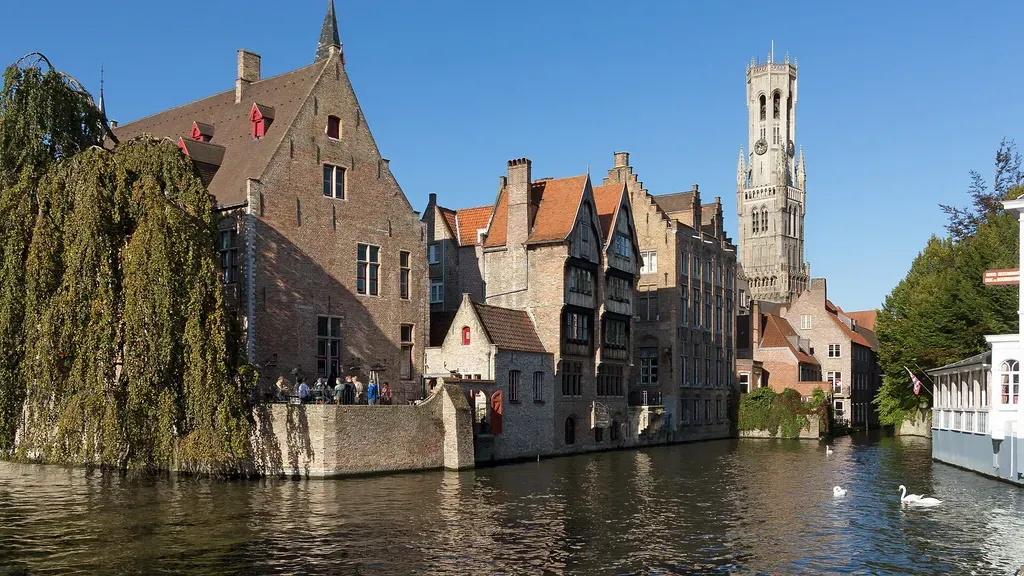 Photo: Michielverbeek, CC BY-SA 4.0, via Wikimedia Commons
Canals, gabled houses, the belfry and the Markt square: Bruges’ UNESCO-listed old town looks frozen in the Middle Ages. The city is small and easy to see on foot in a day, but we recommend staying overnight to enjoy the quiet streets once the day-trippers have left.
🇫🇷 Strasbourg, France
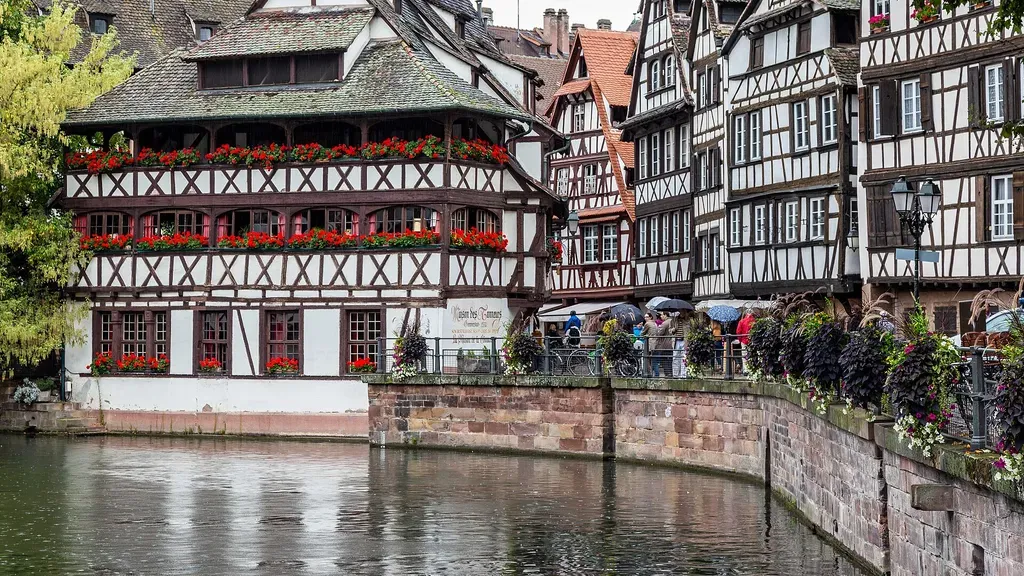 Photo: JoachimKohler-HB, CC BY-SA 4.0, via Wikimedia Commons
Strasbourg’s Grande Île, encircled by the River Ill, is UNESCO-listed. Admire the Gothic masterpiece of Notre-Dame cathedral and the half-timbered houses of La Petite France. In December, the city hosts one of the most famous Christmas markets in Europe.
🇦🇹 Salzburg, Austria
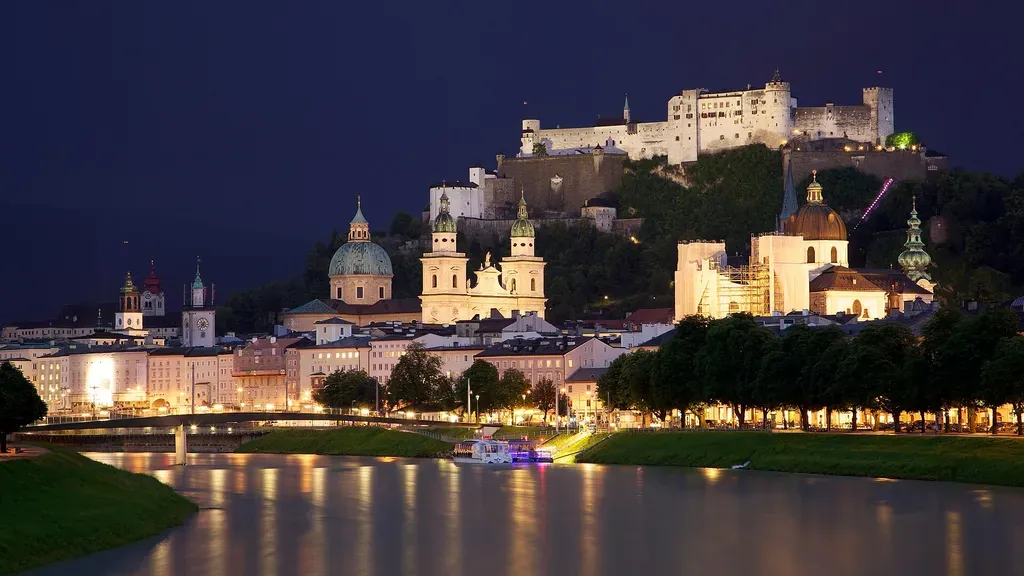 Photo: Jiuguang Wang, CC BY-SA 3.0, via Wikimedia Commons
Mozart’s birthplace charms with its UNESCO-listed baroque old town, overlooked by Hohensalzburg Fortress. Visit the composer’s birthplace, the Mirabell Gardens and the cathedral, with the Alps as a backdrop.
Also read: Vienna in 3 days.
🇵🇱 Kraków, Poland
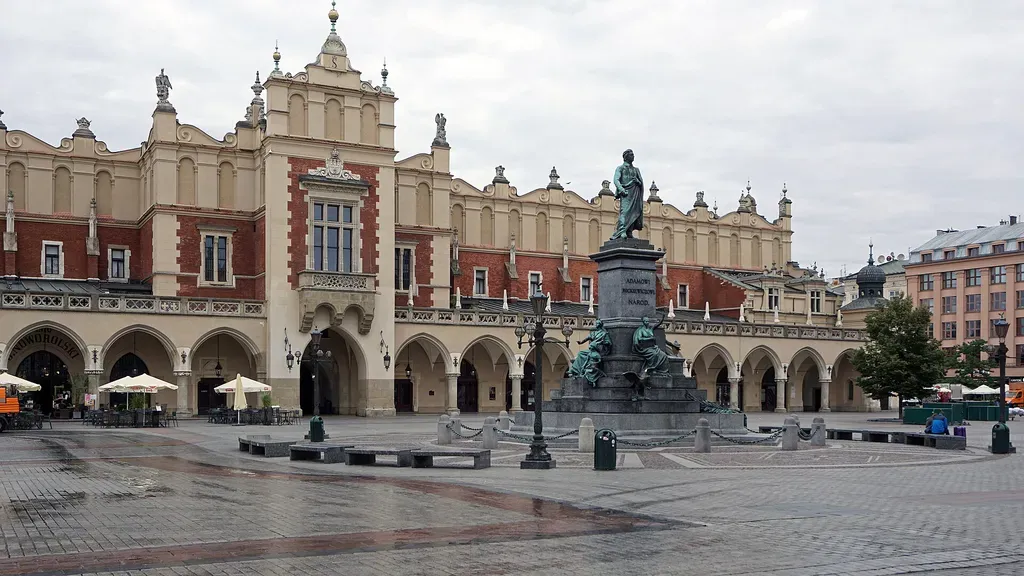 Photo: Igor123121, CC BY 4.0, via Wikimedia Commons
Poland’s former royal capital has one of Europe’s largest medieval squares, the Rynek Główny, centred on the Cloth Hall. Visit Wawel Hill, with its castle and cathedral, and Kazimierz, the former Jewish quarter that has become the city’s liveliest district. The Auschwitz-Birkenau memorial is about 1 hour 30 minutes away by road.
🇨🇿 Český Krumlov, Czechia
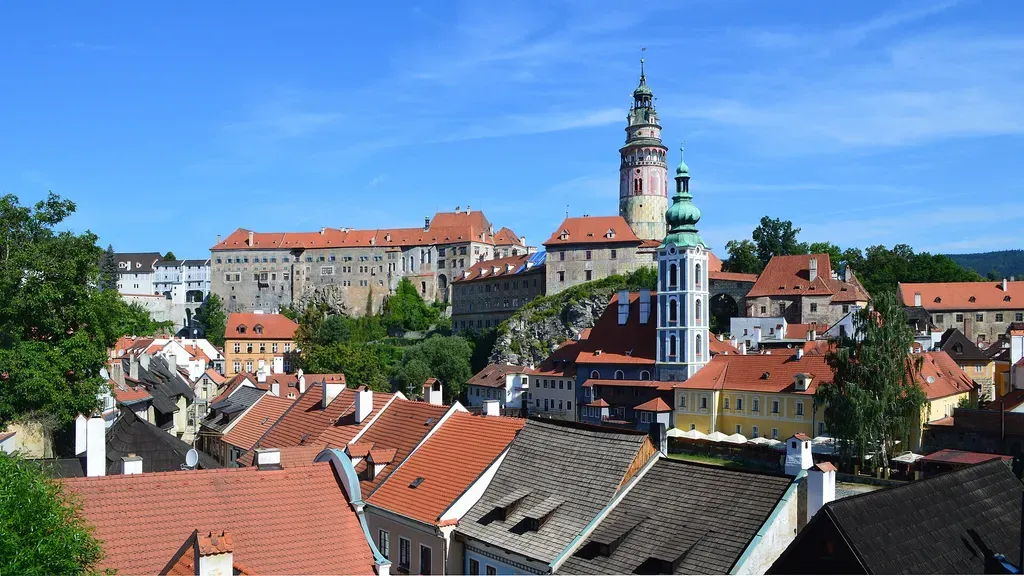 Photo: Scotch Mist, CC BY-SA 4.0, via Wikimedia Commons
A small medieval town tucked into a bend of the Vltava, crowned by a huge castle. Český Krumlov can be done as a day trip from Prague, but staying a night lets you enjoy its lanes once the tour groups have gone.
🇭🇷 Dubrovnik, Croatia
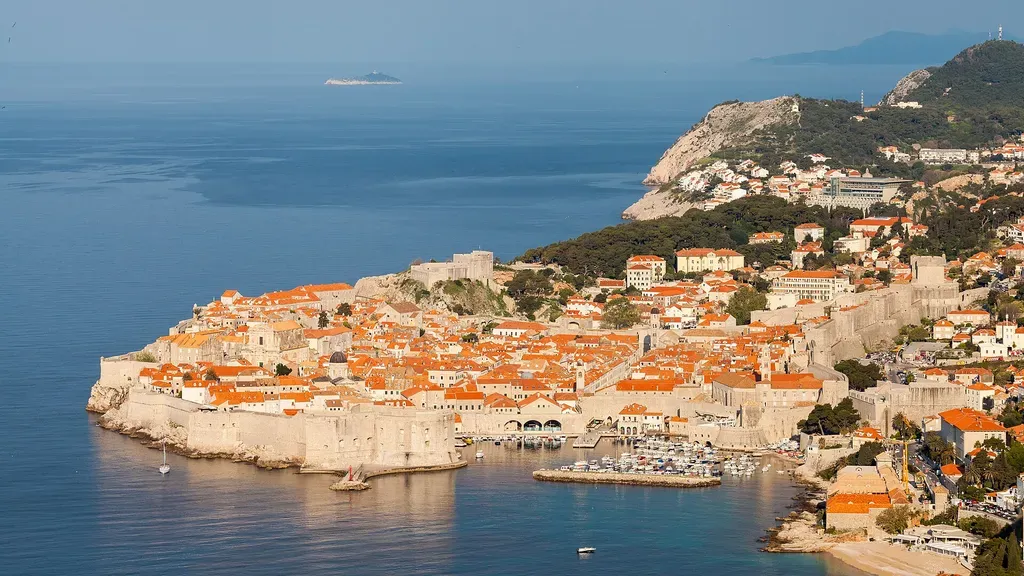 Photo: Diego Delso, CC BY-SA 3.0, via Wikimedia Commons
The “Pearl of the Adriatic” is ringed by walls you can walk along, with spectacular views over orange rooftops and the sea. Its UNESCO-listed old town was a filming location for Game of Thrones.
Good to know: in summer, the old town gets very crowded, especially on cruise ship days. May, June and September are more pleasant.
How to explore these cities without a guide
In these cities, every façade, church and square has a story. With Guidly, your phone tells it to you: the app detects the places around you and generates an audio tour in your language, based on your interests, and you can ask it questions. All our tips are in our guide on how to explore a city without a guide.
Looking for more ideas? See our itineraries for Barcelona in 3 days, Milan in 3 days, Bari or Marseille in 2 days, and our cheap places to travel in Europe in 2027.
Cover photo: kallerna, CC BY-SA 4.0, via Wikimedia Commons
FAQ
What is the most beautiful city in Europe?
There’s no single answer, but Venice, Florence, Porto, Seville and Bruges come up most often. If you include capitals, Paris, Rome, Prague and Lisbon are also among the most cited.
Which European cities can you visit in a weekend?
Bruges, Porto, Strasbourg, Salzburg, Český Krumlov and Dubrovnik are easy to see in two days on foot. Florence, Venice and Seville deserve three days.
When is the best time to visit European cities?
Spring (April to June) and early autumn (September and October) offer the best balance of weather and crowds. Avoid summer in the south (Seville, Florence, Dubrovnik) if you don’t cope well with heat and crowds.
What are the most beautiful cities in Europe that aren’t capitals?
Our pick: Venice, Florence, Naples, Seville, Granada, Porto, Bruges, Strasbourg, Salzburg, Kraków, Český Krumlov and Dubrovnik.